The timeless art of baking bread has seen a remarkable resurgence, with sourdough at the forefront of this culinary renaissance. Far more than just a recipe, sourdough baking is a dance with microbiology, a centuries-old tradition that transforms simple flour and water into a loaf with unparalleled flavor, texture, and digestibility. Unlike its conventional yeast-leavened counterparts, sourdough relies on a living, breathing culture of wild yeasts and lactic acid bacteria, fostering a complex fermentation process that defines its unique character.
Mastering sourdough isn't about rigid adherence to rules, but rather understanding the fundamental elements that govern this delicate biological process. At its core, successful sourdough fermentation hinges on three critical pillars: your active starter, the chosen flour, and the ambient temperature. By demystifying these key components, you can unlock the secrets to consistently baking delicious, nutritious, and perfectly leavened sourdough bread.
The Heart of Sourdough: Your Active Starter
The journey to mastering sourdough begins with its very essence: the starter. This thick, bubbly mixture of flour and water isn't just an ingredient; it's a vibrant, symbiotic ecosystem of wild yeasts and lactic acid bacteria (LAB). These microorganisms, primarily species like Lactobacillus sanfranciscensis and yeasts such as Saccharomyces cerevisiae or Kazachstania exigua, are responsible for every magical transformation that occurs in your dough.
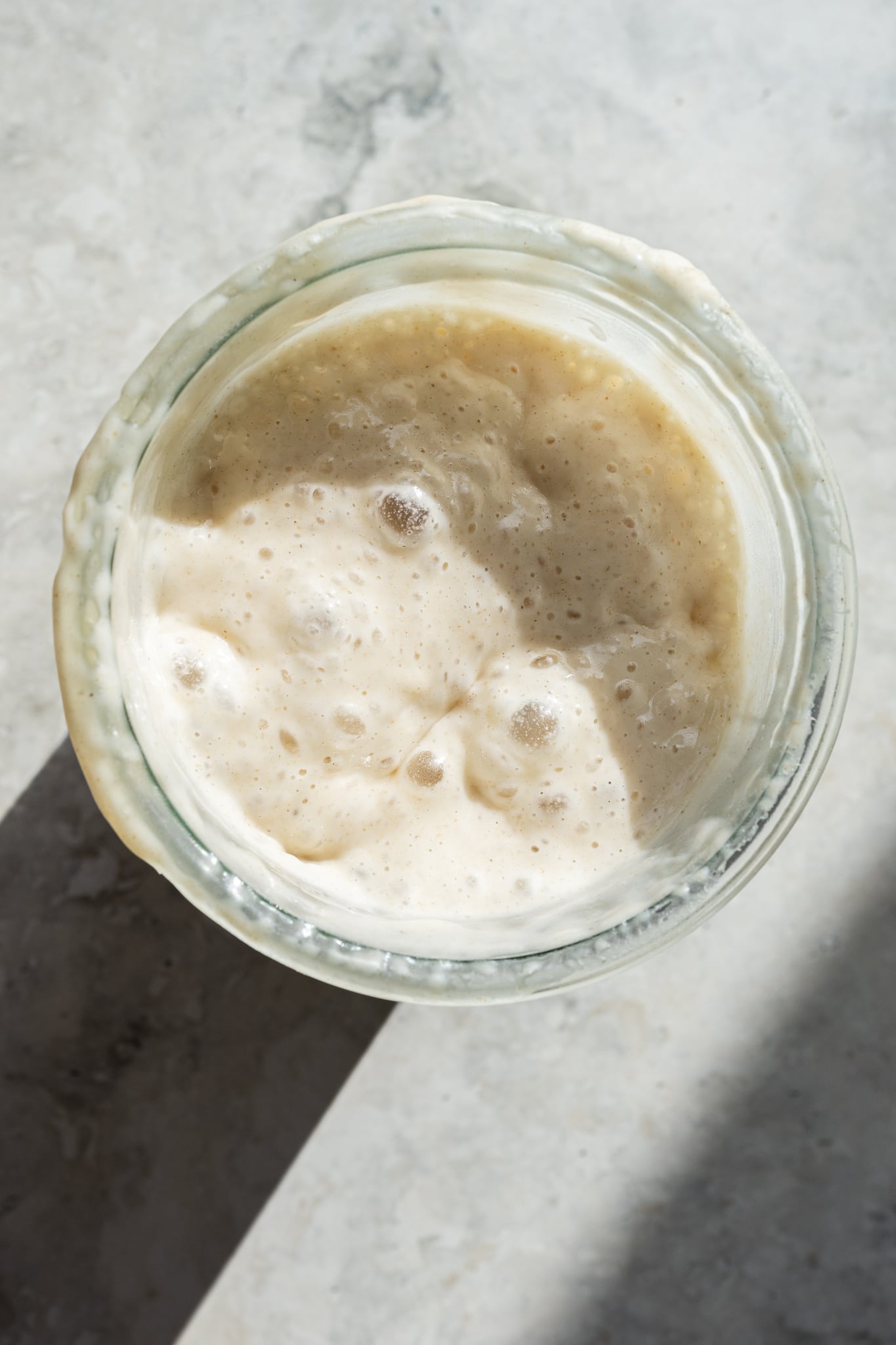
Think of your starter as the engine of your sourdough. It consumes the sugars in the flour, producing carbon dioxide that leavens the bread, and a symphony of organic acids (lactic and acetic acids) that impart the characteristic tangy flavor and extend shelf life. A healthy, "active" starter is paramount. This means it has been recently fed, has visibly risen significantly (often doubling or tripling in size), and is teeming with bubbles both on the surface and throughout its structure. An active starter signals that your microbial workforce is awake, hungry, and ready to perform.
Cultivating and Maintaining Your Starter: Practical Tips
- Initial Creation: While sometimes initiated with rye flour due to its nutrient density and ability to kickstart fermentation, a starter can be nurtured from almost any flour. It involves regularly feeding a small portion of flour and water to a seed culture over several days, encouraging the right microbes to flourish.
- Regular Feeding: To keep your starter vigorous, feed it regularly, typically every 12-24 hours when stored at room temperature, or once a week if refrigerated (with a refresh before baking). Aim for a 1:1:1 ratio (starter:flour:water) by weight for optimal activity, though this can be adjusted.
- Hydration Matters: Most starters are maintained at 100% hydration (equal parts flour and water by weight), giving them a pancake batter-like consistency. This balance supports both yeast and bacteria.
- Signs of Activity: Look for significant expansion after feeding, a domed surface, and a network of bubbles. A float test (dropping a small piece into water) can confirm readiness, as an active starter will float.
- Using for Recipes: For best results, especially in recipes like overnight sourdough pancakes that rely heavily on fermentation, always use a fed sourdough starter that is active and bubbly. It can be taken directly from the fridge if it was fed within the last day or two, but bringing it to room temperature for a few hours after feeding is often beneficial.
The Role of Flour: More Than Just a Filler
While often overlooked, the type of flour you choose for both your starter and your dough significantly impacts the fermentation process, gluten development, and ultimately, the flavor and texture of your finished bread. Different flours bring distinct characteristics to the table, influencing everything from the speed of fermentation to the final crumb structure.
Exploring Flour Varieties and Their Impact
- Rye Flour: A fermentation powerhouse. Rye is nutrient-dense and accelerates microbial activity, often resulting in a more pronounced tangy flavor. It has less gluten-forming protein than wheat, so while excellent for starters, it's often blended with strong wheat flours for structure in loaves.
- Hard Wheat Varieties (e.g., Hard Red Wheat, Hard White Wheat): These are the workhorses of sourdough.
- Hard Red Wheat offers a nutty, robust flavor and boasts strong gluten development, essential for a good rise and chewy texture.
- Hard White Wheat provides a milder flavor profile, similar to commercial bread flour, yet still offers a high protein content (11-14%) for excellent gluten formation and crumb structure.
- Whole Grain Flours: Flours like whole wheat contain the bran and germ, which are rich in nutrients and enzymes. These components contribute to a more active fermentation and often result in a bread with greater acidity and a denser crumb. However, the bran can also interfere with gluten development, so they are frequently blended with refined flours.
- Ancient Grains (e.g., Spelt, Einkorn, Emmer): These grains offer unique nutty or sweet flavor profiles and often come with enhanced nutritional benefits. While they can be used for sourdough, their gluten structure is typically weaker than modern wheat, making them challenging for a lofty rise. They are often best blended with strong wheat flours to achieve a better structure and texture.
- Barley Flour: Offers a distinct, malty flavor profile. Similar to rye, it's often used in smaller proportions or blended to add complexity without compromising too much on structure.
The protein content in flour directly correlates with its gluten-forming potential. High-protein flours (12%+) develop strong gluten networks that trap the carbon dioxide produced by the starter, leading to a well-aerated, open crumb. Experimenting with different flour combinations allows bakers to fine-tune flavor, texture, and nutritional value, truly mastering their unique sourdough expression.
Temperature: The Unsung Hero of Sourdough Fermentation
Of all the factors influencing sourdough, temperature is arguably one of the most critical, yet often underestimated. It acts as the thermostat for your microbial partners, dictating the speed and balance of activity between the wild yeasts and lactic acid bacteria. Just a few degrees can dramatically alter the timeline, flavor profile, and even the structural integrity of your final loaf.
The ideal temperature range for sourdough fermentation typically falls between 20–30°C (68–86°F). Within this range, both yeasts and LAB thrive, producing a balanced array of acids and carbon dioxide. However, subtle shifts within this spectrum can yield fascinating results:
- Warmer Temperatures (25-30°C): Fermentation proceeds more rapidly. Yeasts are highly active, producing plenty of carbon dioxide for a quick rise. Lactic acid bacteria tend to produce more lactic acid, which results in a milder, less overtly sour flavor. This environment is excellent for faster bakes and a softer, creamier crumb.
- Cooler Temperatures (20-24°C): Fermentation slows down significantly, extending the process. In cooler conditions, the acetic acid-producing bacteria often become more dominant, leading to a tangier, more robustly sour flavor profile. The slower rise allows for more complex flavor development and can result in a more structured, chewier crumb.
Practical Temperature Control in Your Kitchen
Since ambient kitchen temperatures fluctuate, bakers employ various strategies to manage fermentation:
- Proofing Boxes: Dedicated proofing boxes offer precise temperature control, creating a consistent environment regardless of your home's climate.
- Oven with Light On: A common trick is to use your oven with only the light on. The minimal heat generated can raise the internal temperature to a warm, consistent level suitable for fermentation.
- Warm Spots: Identify naturally warmer spots in your home, such as near a warm appliance, on top of a refrigerator, or in a sunny window (though avoid direct, intense sunlight).
- Water Bath: Placing your dough in a bowl inside a larger container of warm water can provide a gentle, stable heat source.
- Cold Proofing (Retarding): For convenience and flavor development, many bakers use cold fermentation. After an initial bulk ferment at room temperature, the dough is refrigerated for 12-48 hours. The cold significantly slows down fermentation, allowing enzymes to break down starches further, deepening flavor, increasing digestibility, and making the dough easier to handle. This also helps develop those coveted large, irregular air pockets in the crumb.
Understanding and manipulating temperature allows you to truly orchestrate the flavor, texture, and timing of your sourdough bakes, making it a powerful tool in your artisanal arsenal.
Beyond the Basics: Fermentation Time and Techniques
With an understanding of your starter, flour, and temperature, you're ready to tackle the full spectrum of the fermentation process. The typical duration for sourdough fermentation, from mixing to baking, often spans 12–24 hours or even longer, depending on the desired outcome and environmental factors. This extended timeline, far longer than conventional bread, is crucial for developing sourdough's distinctive characteristics.
The fermentation process is broadly divided into two main stages: bulk fermentation (or first rise) and proofing (or second rise). During bulk fermentation, the entire dough mixture ferments, developing strength, extensibility, and flavor. This is typically done in a large bowl and involves periodic "stretch and folds" to build gluten. Proofing refers to the final rise after shaping, where the dough rests, allowing it to become airy and ready for the oven.
Factors Influencing Fermentation Time and Outcome
- Hydration Level: Doughs with higher hydration (more water relative to flour) tend to ferment faster due to easier access for microbes.
- Flour Type: As discussed, whole grain flours and rye can accelerate fermentation due to their nutrient content, while certain ancient grains might slow it down.
- Starter Strength: A weaker or less active starter will naturally extend fermentation times.
- Desired Flavor Profile: Longer, cooler fermentations often yield a tangier bread, while shorter, warmer ones tend to be milder.
Sourdough also encompasses various traditional and industrial approaches. Type I sourdoughs are the traditional "back-slopped" varieties, where a portion of the previous day's dough is used to start the next. Type II sourdoughs are faster-fermenting, often industrially produced liquid starters. Each type affects the final product's aroma, crumb structure, and preservation qualities.
Beyond the sensory delights, this extended fermentation process is also responsible for many of sourdough's renowned health benefits. It significantly reduces levels of FODMAPs (by 65–75% in some cases), increases resistant starch (up to 120%), and improves mineral absorption, such as iron (by 10%) and zinc (by 25%). To learn more about how sourdough can enhance your well-being, explore the Sourdough Health Benefits: FODMAPs, Gut Health & Nutrient Boost.
Practical Applications & Beyond Bread: The Versatility of Sourdough
While often associated with rustic loaves, the versatility of sourdough extends far beyond traditional bread. Its unique flavor and leavening power can transform a multitude of baked goods, from pizza crusts to fluffy pancakes. Consider the humble sourdough pancake: a testament to how these principles translate across different recipes.
To whip up delicious sourdough pancakes, you'll start by mixing your bubbly, active sourdough starter with flour, eggs, milk, baking soda, and a touch of sweetener. The magic happens during the overnight fermentation, where the batter rests at room temperature for 8-12 hours. This extended rest allows the wild yeasts and bacteria to develop that characteristic tangy depth and create a tender, airy bite. In the morning, a gentle fold of melted butter is all that's needed before cooking them on a preheated griddle until golden and bubbly. The result is a breakfast treat that offers a complexity of flavor and a superior fluffy texture that’s truly worth the wait.
This pancake example highlights how the core principles of sourdough fermentation – an active starter, sufficient time, and controlled temperature – are universally applicable, leading to superior flavor and texture in diverse culinary creations.
Mastering sourdough fermentation is an incredibly rewarding journey, one that deepens your understanding of food science and connects you to an ancient culinary tradition. By focusing on the vitality of your starter, the characteristics of your chosen flour, and the precise control of temperature, you gain the confidence to bake exceptional bread consistently. Each loaf becomes a unique expression of your skill, patience, and the living culture you've nurtured. As you experiment and refine your techniques, you'll discover endless possibilities, forging a delicious connection to a practice that continues to captivate bakers worldwide. The global resurgence of sourdough, with its rich history dating back over 4,000 years, is a testament to its enduring appeal and projected market growth, as detailed in Sourdough's Global Resurgence: Ancient Roots to a $4.49B Market.
