Sourdough's Global Resurgence: Ancient Roots to a $4.49B Market
Once a culinary relic of ancient civilizations and resourceful frontiersmen,
sourdough has spectacularly risen from the ashes of commercial yeast to claim its rightful place as a global phenomenon. Far more than just a trend, this time-honored baking method is experiencing a profound renaissance, captivating home bakers, artisanal producers, and health-conscious consumers worldwide. Its unique blend of tangy flavor, chewy texture, and myriad health benefits has propelled it into the modern spotlight, creating a vibrant market projected to reach a staggering USD 4.49 billion by 2030, growing at an impressive CAGR of 6.68% as of 2025. This isn't just about bread; it's about a movement towards natural, wholesome foods, rooted in a tradition thousands of years old.
The Ancient Art of Sourdough: More Than Just Bread
At its heart,
sourdough is a testament to the marvels of natural fermentation. Unlike conventional bread, which relies on a single strain of commercial baker's yeast for leavening, sourdough harnesses a symbiotic culture of wild yeasts and lactic acid bacteria. These microscopic allies, naturally present in flour and the environment, work in harmony to transform a simple mixture of flour and water into something truly extraordinary. This spontaneous microbial activity creates a diverse microbiome unique to each starter, influencing everything from the bread's aroma to its final texture.
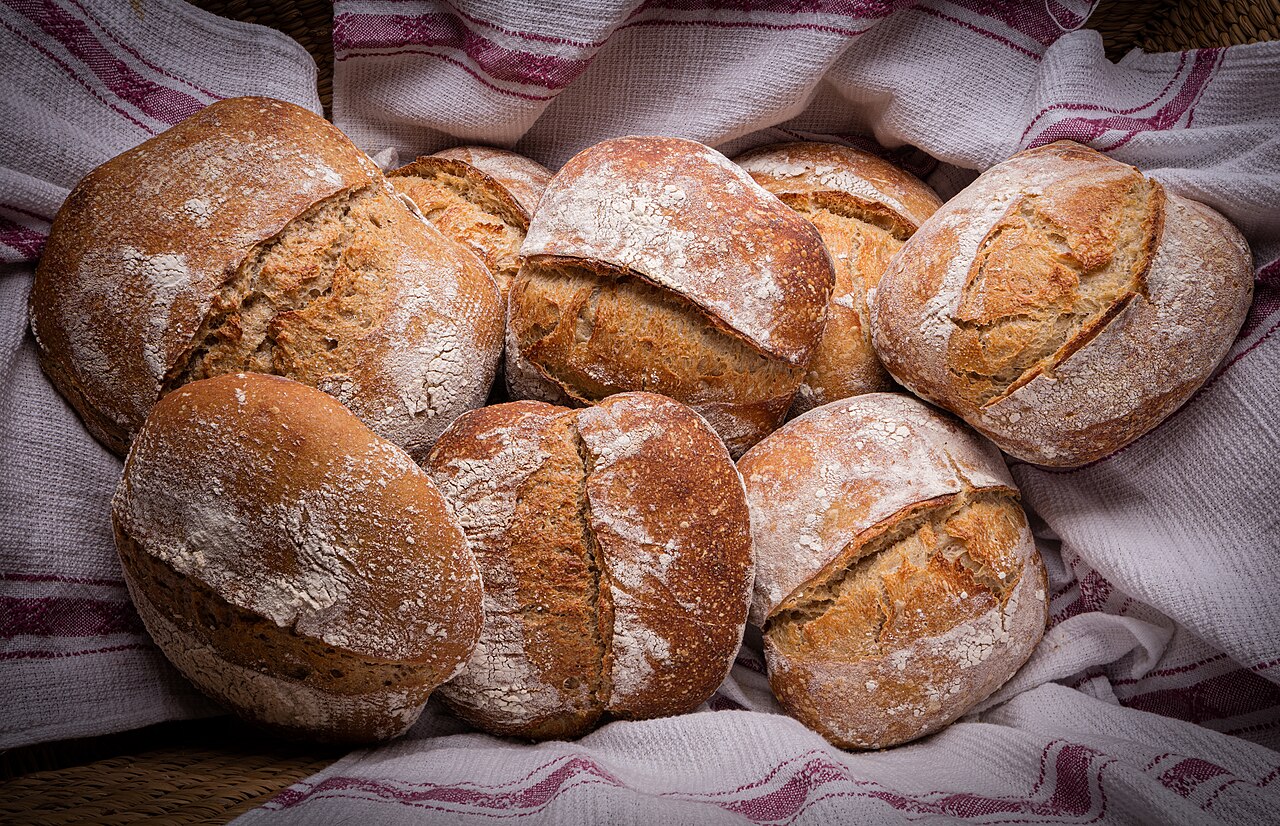
The process produces a signature tangy flavor, a wonderfully chewy crumb, and a crisp crust that sets it apart. But the benefits extend beyond mere taste and texture; the organic acids and enzymes produced during fermentation naturally enhance the bread's shelf life, making it a sustainable choice long before "sustainability" became a buzzword.
The history of
sourdough stretches back over 4,000 years, with its origins traced to ancient Egypt. Legend has it that the first leavened bread was born from an accidental fermentation of dough left exposed to the elements. This revolutionary discovery spread across cultures, becoming a staple in Europe, the Middle East, and eventually the Americas. In the 19th century, it was the lifeblood of prospectors during the California Gold Rush, who carried their precious starters – often tucked close to their bodies for warmth – earning them the affectionate nickname "sourdoughs." This rich history underscores sourdough's resilience and its integral role in human civilization, not just as food, but as a symbol of self-sufficiency and resourcefulness.
The "Starter" Culture: The Living Heart of Sourdough
The essence of any good
sourdough lies in its "starter" – a living, breathing culture that is both simple in its ingredients (flour and water) and complex in its microbial makeup. This thick, bubbly mixture is a vibrant ecosystem, primarily teeming with various Lactobacillus species, such as the well-known *Lactobacillus sanfranciscensis*, and wild yeasts like *Saccharomyces cerevisiae* or *Kazachstania exigua*. Often initiated with nutrient-dense rye flour due to its ability to accelerate fermentation, the starter requires regular feeding or "refreshing" to keep its microbial community healthy and active.
These tireless microorganisms are the unsung heroes of sourdough baking. They diligently break down complex starches in the flour into simpler sugars, which they then metabolize. The lactic and acetic acids produced during this process are responsible for sourdough's characteristic tangy flavor and its improved keeping qualities. Simultaneously, the yeasts produce carbon dioxide gas, creating the air pockets that give bread its rise and open, airy crumb structure. This intricate metabolic dance not only leavens the bread but also initiates a cascade of chemical changes that enhance its overall flavor profile and, crucially, its digestibility. For a deeper dive into nurturing your starter and mastering the variables that influence fermentation, explore our guide on
Mastering Sourdough Fermentation: Starter, Flour & Temperature.
From Tang to Texture: The Science and Art of Sourdough Baking
Crafting exceptional
sourdough is a delicate balance of science and artistry, where numerous factors converge to influence the final product. The fermentation process typically spans anywhere from 12 to 24 hours, or even longer, depending on environmental conditions and desired outcomes. Temperature plays a pivotal role; an ideal range of 20–30°C (68–86°F) encourages optimal microbial activity, yielding a well-developed flavor and structure. Cooler temperatures slow fermentation, often resulting in a more pronounced acetic tang, while warmer temperatures accelerate it, leaning towards a milder, lactic flavor.
The choice of flour is another critical determinant. Hard wheat varieties like hard red wheat, with its strong gluten and nutty notes, or hard white wheat, offering a milder flavor similar to commercial bread flour and a high protein content (11-14%), are excellent for developing robust gluten structures. Rye flour, known for its rapid fermentation and distinct tangy flavor, often yields denser loaves. Whole grain flours contribute more acidity and a deeper flavor profile, while ancient grains such as spelt, einkorn, and emmer offer unique nutty or sweet undertones and enhanced nutrition, though they are often best blended with conventional wheat for optimal rise and texture. Barley flour can also introduce distinct flavor profiles. Hydration level (the ratio of water to flour) significantly impacts the dough's workability, crumb texture, and crust development.
Beyond the home kitchen, the world of
sourdough also features notable variants, such as Type I traditional back-slopped sourdoughs, which are continuously refreshed, and Type II faster-fermenting industrial sourdoughs, often used in large-scale production. Each type employs different methods to control the microbial balance, affecting the final product's aroma, crumb structure, and preservation qualities. Regardless of the method, the underlying principle remains the same: harness nature's microbes to create a bread that is not only delicious but also fundamentally more nourishing than its yeasted counterparts, boasting a lower glycemic index and improved nutrient bioavailability.
Beyond the Loaf: Sourdough's Versatility and Health Benefits
The appeal of
sourdough extends far beyond its delicious taste and texture. Its unique fermentation process unlocks a wealth of nutritional advantages, making it a preferred choice for those seeking healthier dietary options. One of the most significant benefits is the reduction of FODMAPs (fermentable oligosaccharides, disaccharides, monosaccharides, and polyols) – carbohydrates that can cause digestive discomfort for sensitive individuals. Studies show sourdough can reduce FODMAP levels by 65–75% in some cases, greatly improving digestibility.
Furthermore, sourdough fermentation increases resistant starch by up to 120%, which acts as a prebiotic, feeding beneficial gut bacteria and promoting a healthier microbiome. It also enhances the bioavailability of essential minerals like iron (by 10%) and zinc (by 25%), thanks to the breakdown of phytic acid, an antinutrient present in grains. The organic acids and peptides produced also contribute to sourdough's natural antimicrobial properties, which further extend its shelf life. For an in-depth exploration of how sourdough supports your gut health and boosts nutrient absorption, read our article on
Sourdough Health Benefits: FODMAPs, Gut Health & Nutrient Boost.
But
sourdough isn't just for baking bread. Its tangy depth and leavening power make it incredibly versatile in the kitchen. One delightful application gaining popularity is overnight sourdough pancakes. Imagine waking up to a stack of light, airy pancakes with a subtle, complex tang that complements any topping.
To create these fluffy marvels, you typically start the night before by mixing your active, bubbly sourdough starter (whether freshly fed or even a well-maintained discard) with flour, eggs, milk, a touch of baking soda (to boost the rise), and a sweetener for balance. This batter then ferments at room temperature for 8-12 hours, allowing the wild yeasts and bacteria to work their magic, developing that signature tangy depth and pre-digesting the flours. In the morning, you gently fold in melted butter, then cook spoonfuls on a preheated griddle until they're golden brown and wonderfully bubbly. The fermentation not only imparts an incredible flavor but also contributes to a remarkably tender, airy bite that is truly worth the wait. For perfect flipping, always ensure your griddle is at the right temperature – a drop of water should sizzle and evaporate immediately. Experiment with flavor twists by adding a pinch of cinnamon, vanilla extract, or even a handful of fresh berries to the batter for a truly personalized breakfast experience. This adaptability further showcases why sourdough's resurgence is so profound.
The Global Sourdough Renaissance: A Taste of the Future
The worldwide embrace of
sourdough is more than a fleeting food trend; it represents a significant shift in how we approach our food systems and personal health. The projected USD 4.49 billion market by 2030 underscores a fundamental change in consumer preferences, moving towards products that offer transparency, natural ingredients, and tangible health benefits. This renaissance is fueled by a collective desire for authentic, artisanal quality that contrasts sharply with the homogeneity of mass-produced goods.
The renewed interest in home baking, particularly heightened in recent years, has empowered countless individuals to connect with their food on a deeper, more elemental level. From ancient Egyptian ovens to the modern kitchen,
sourdough continues its journey, weaving together history, science, and culinary artistry into a delightful and nourishing staple that truly stands the test of time.
Conclusion
From its humble beginnings as an accidental discovery in ancient Egypt to its status as a sophisticated culinary art form and a burgeoning global market,
sourdough embodies a rich tapestry of history, science, and culture. Its unique fermentation process not only creates an incomparable flavor and texture but also unlocks remarkable nutritional benefits, making it a compelling choice for health-conscious consumers. The thriving sourdough market is a clear indicator of a widespread return to natural, wholesome foods, affirming that this ancient method of baking is not just a passing fad, but a timeless tradition with a vibrant future.